Fall 2019 – Winter 2026 · CS 342 / MED 253
Past Projects
Digital health apps that student teams built with their project sponsors in earlier offerings of the course.
Compiled from course archives, repositories and presentations; some earlier projects may be missing.
Winter 2026
-
HeartSense
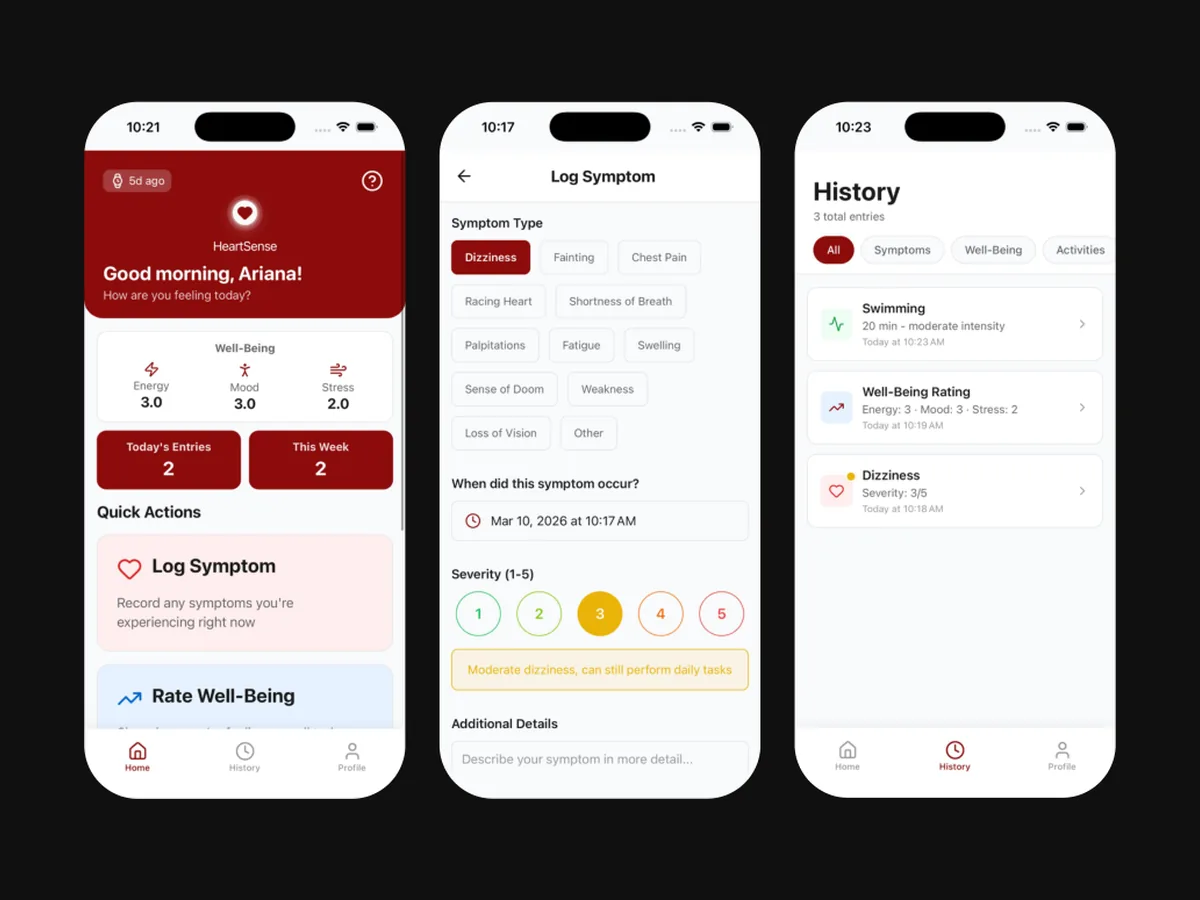
- Connects cardiac symptom and activity logs with physiological data from Apple Watch and HealthKit for longitudinal research.
- Combines quick symptom entry, editable history, trend views, and reminders to help participants record events close to when they occur.
-
AllerKey
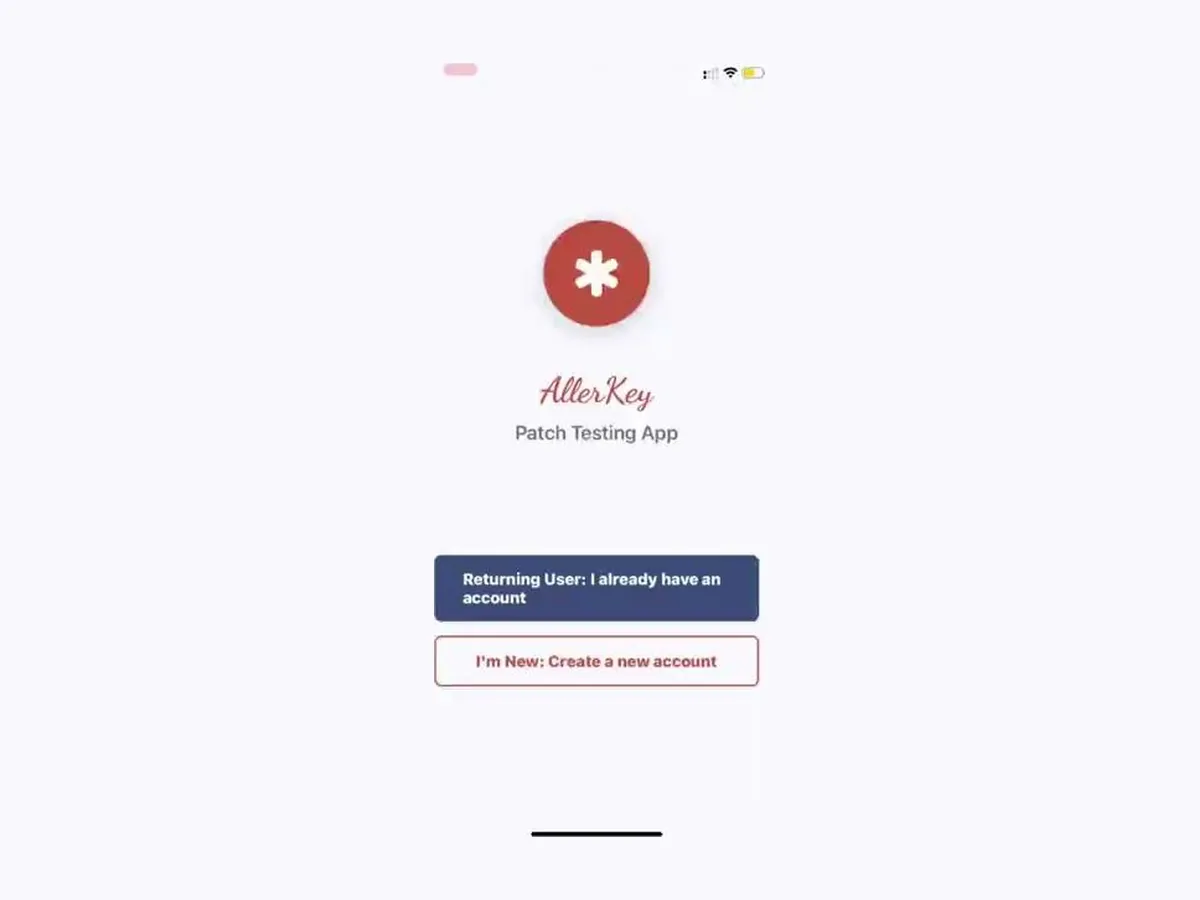
- Explores remote patch testing for people with chronic eczema who may have allergic contact dermatitis.
- The prototype brings onboarding, consent, intake information, and skin-photo upload into a mobile workflow for remote assessment.
-
HomeFlow / StreamSync
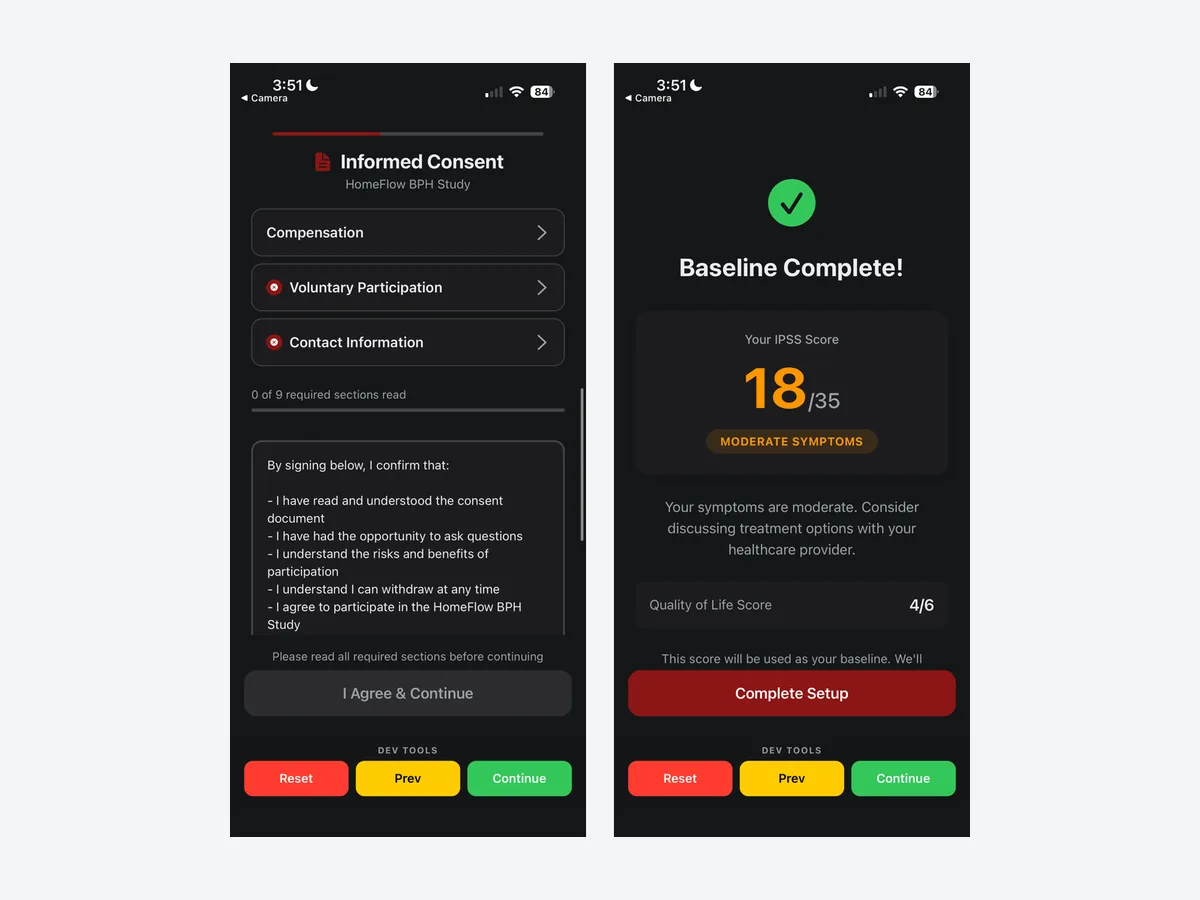
- Studies recovery around bladder outlet surgery by connecting home voiding measurements with wearable activity and sleep information.
- Combines study consent, urinary symptom questionnaires, and data from Apple Watch and a home urine-monitoring device in a research workflow.
-
SchoolKit
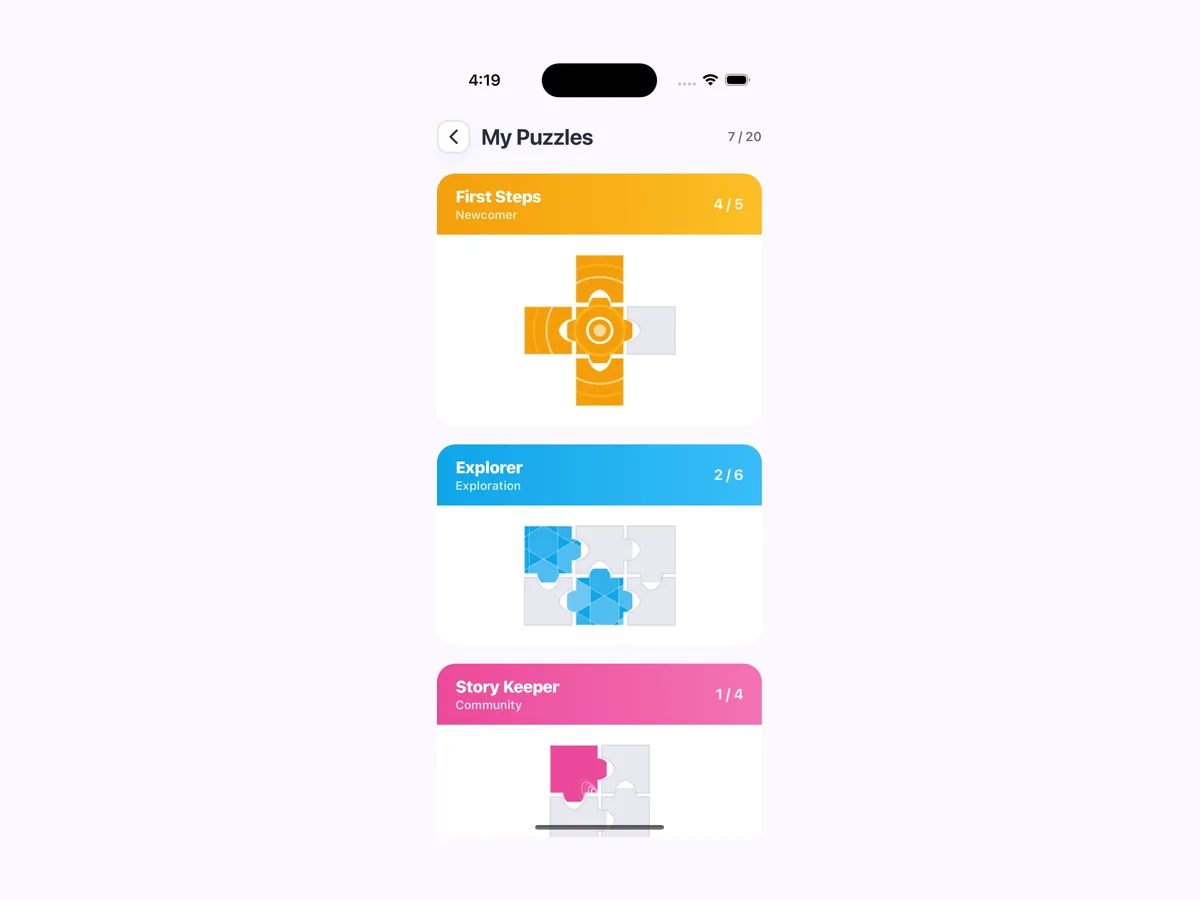
- Supports young cancer survivors as they return to school, with resources tailored to students, parents, and school staff.
- Pairs personalized educational topics and community stories with saved resources and progress rewards to support the school transition.
-
Z Flo Pro (PIP)
Mölnlycke Health Care
- Supports pressure injury prevention in the hospital by helping care teams manage patient positioning devices.
- Brings tracking and reporting together in apps and dashboards for hospital staff.
Winter 2025
-
FeedBridge
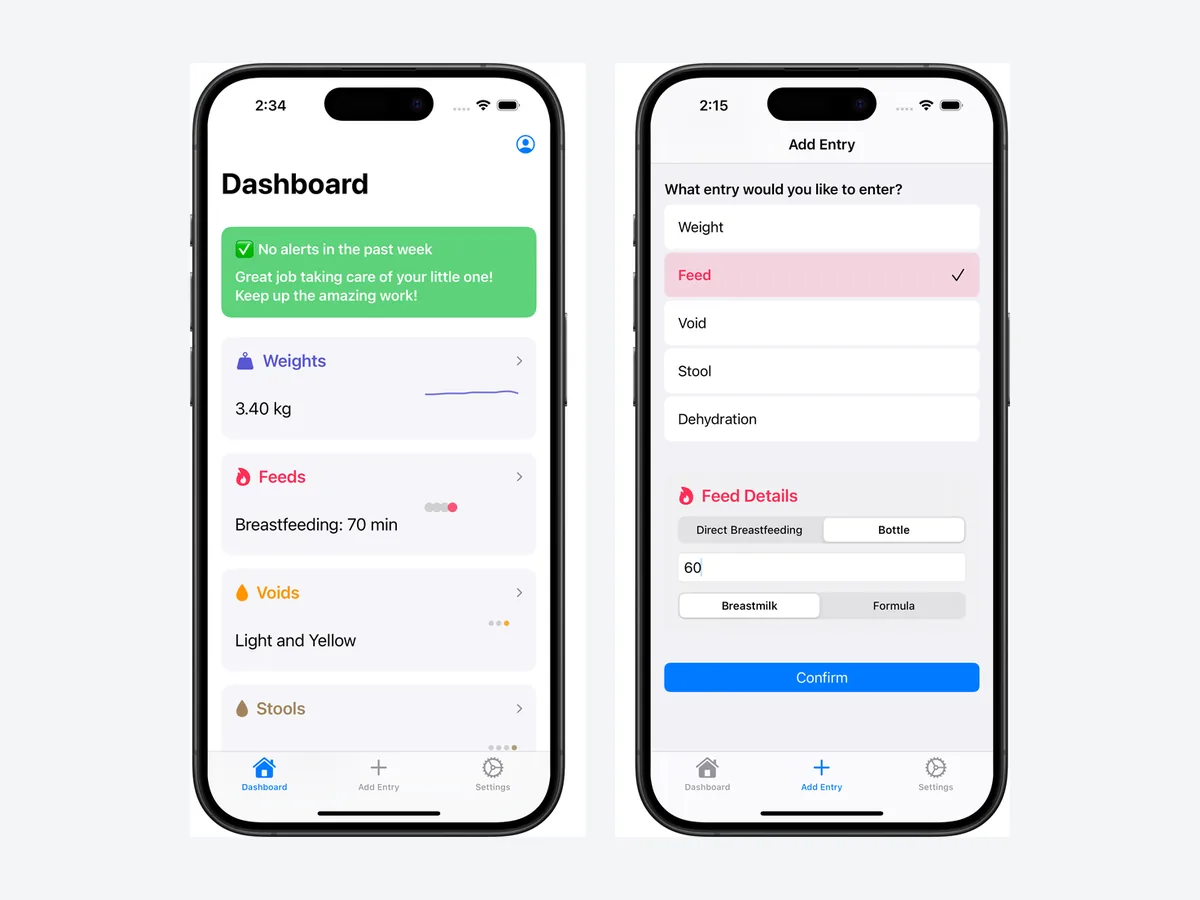
- Helps parents document newborn feeding, weight, diaper output, and signs relevant to hydration during the early postnatal period.
- Displays logs and trends in a dashboard designed to support communication with clinicians and recognition of feeding concerns.
-
NeutroFeverGuard
Technical University of Munich
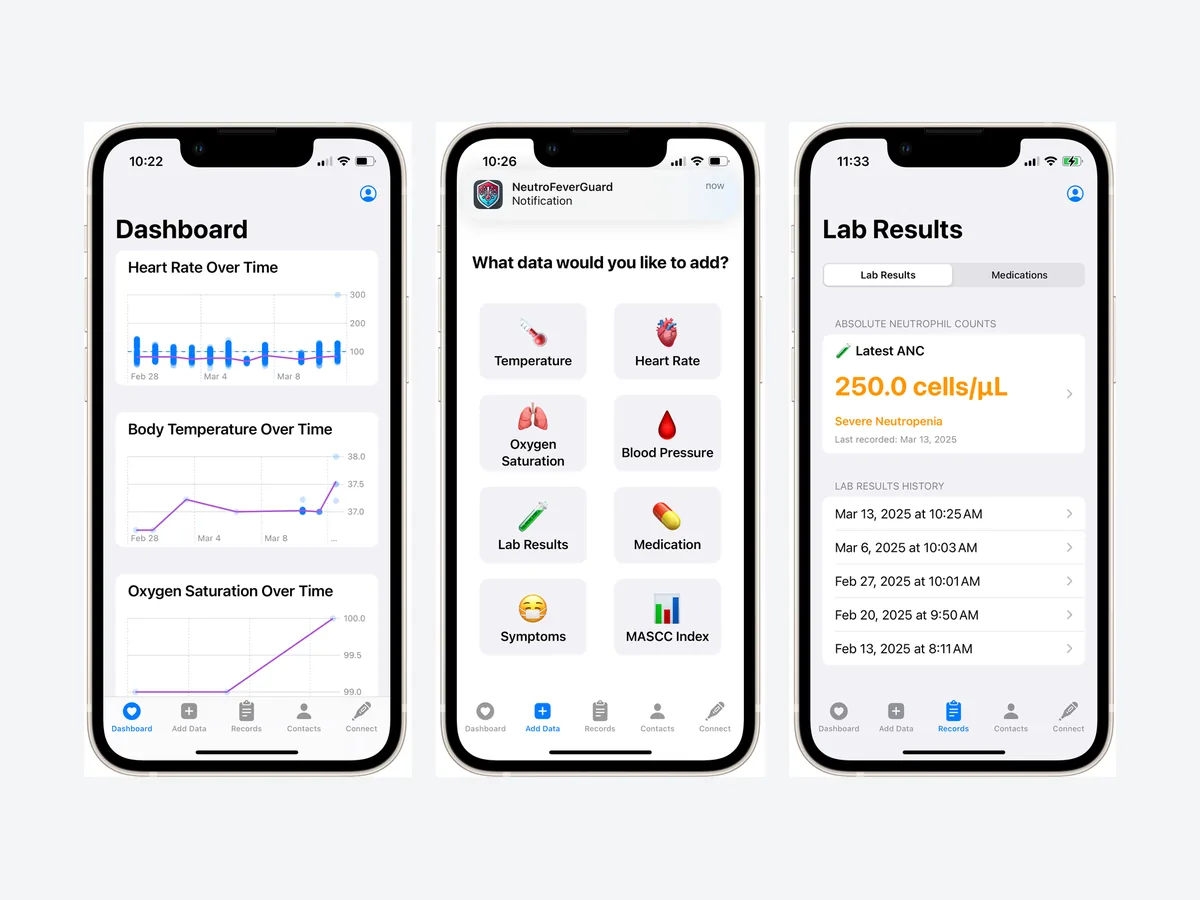
- Supports symptom and fever monitoring for people receiving chemotherapy, with attention to febrile neutropenia risk.
- Combines manually entered vitals and laboratory values with Apple Health data, trend charts, reminders, and prototype risk alerts.
-
Stanford360
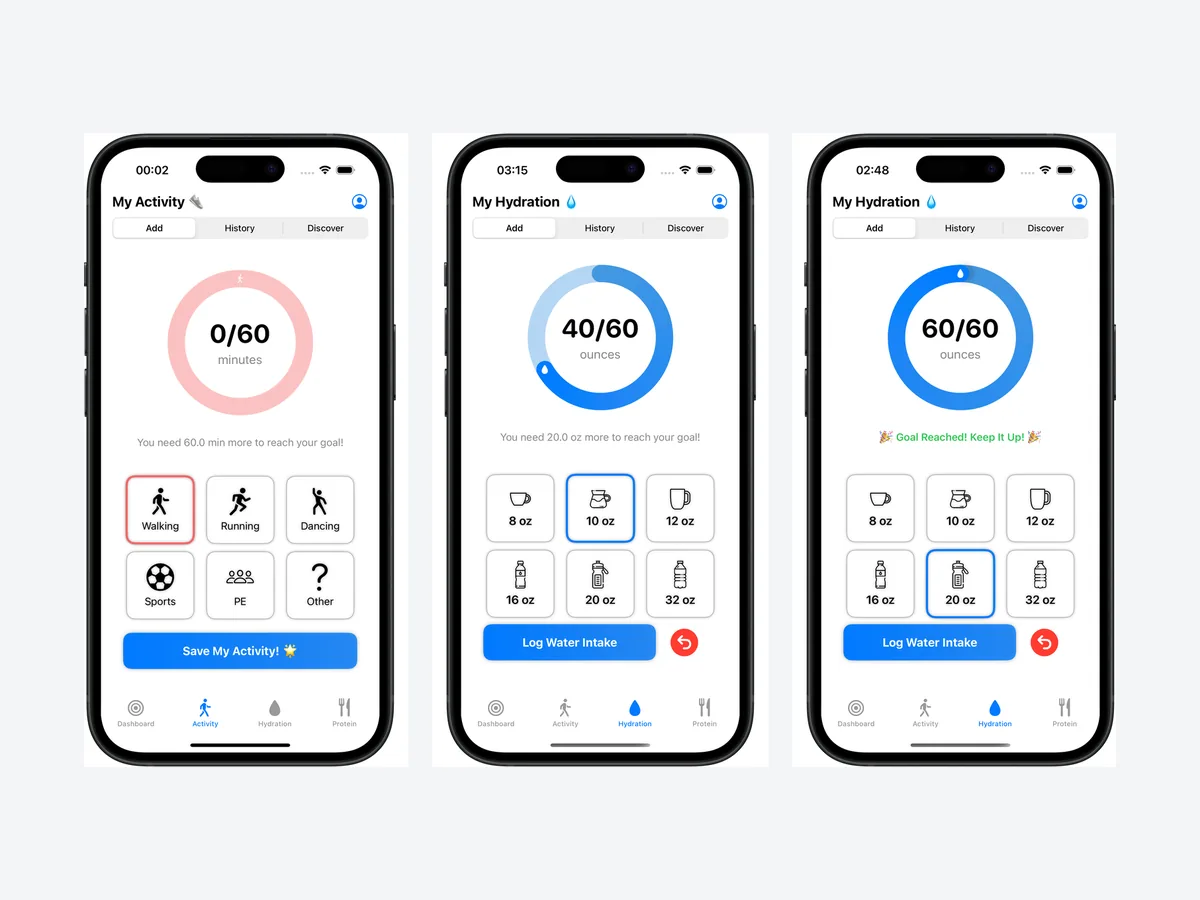
- Supports healthy routines for young people undergoing metabolic and bariatric surgery through activity, hydration, and protein tracking.
- Uses daily goals, history views, educational content, and encouraging progress feedback, including meal-photo support for protein logging.
-
QuanCardio (QuanBioSync)
- Explores remote cardiovascular monitoring with a connected device.
- Lets users review their cardiovascular measurements and trends over time in a mobile app.
-
CoughSync
Regeneron
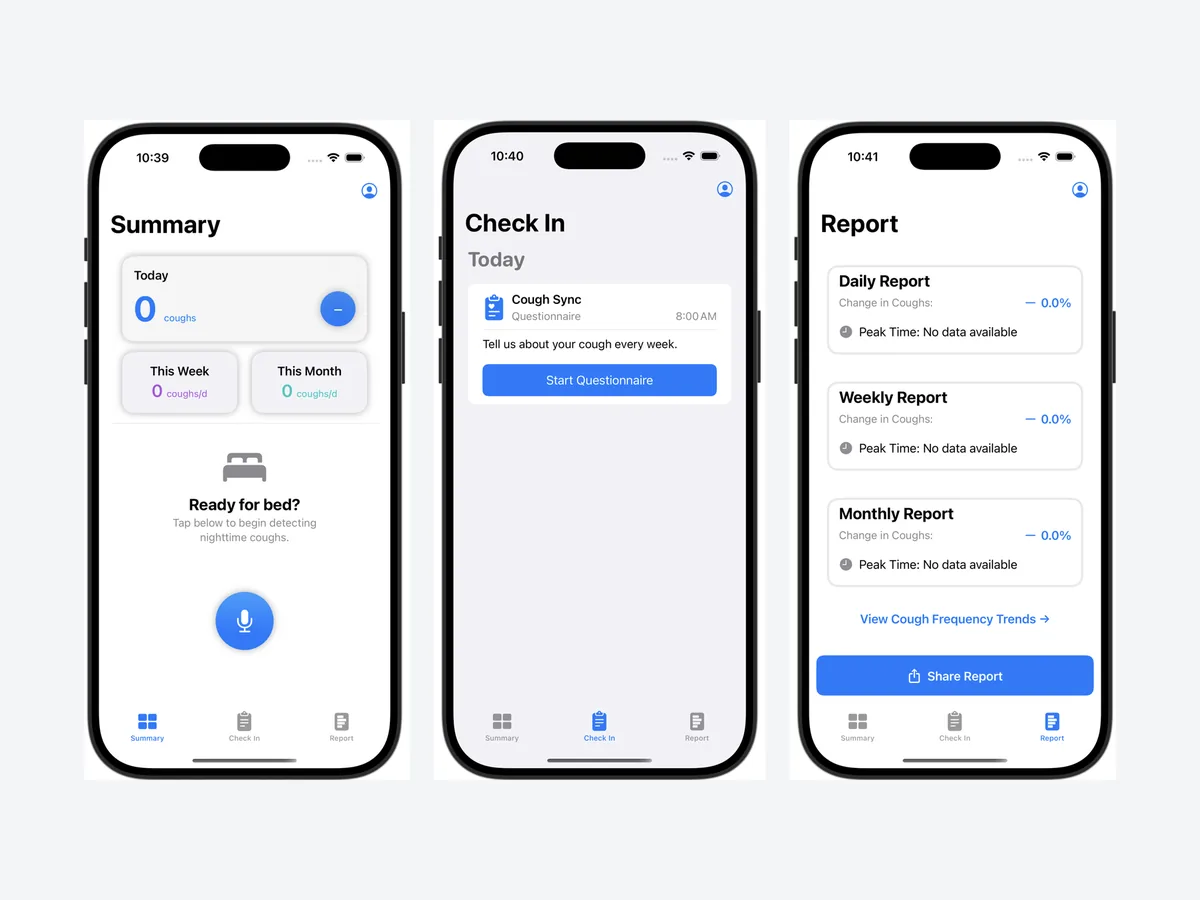
- Explores smartphone-based cough monitoring for people whose chronic cough affects sleep and quality of life.
- Combines a prototype cough-detection model, quality-of-life check-ins, and daily, weekly, and monthly reports that can be shared with clinicians.
Winter 2024
-
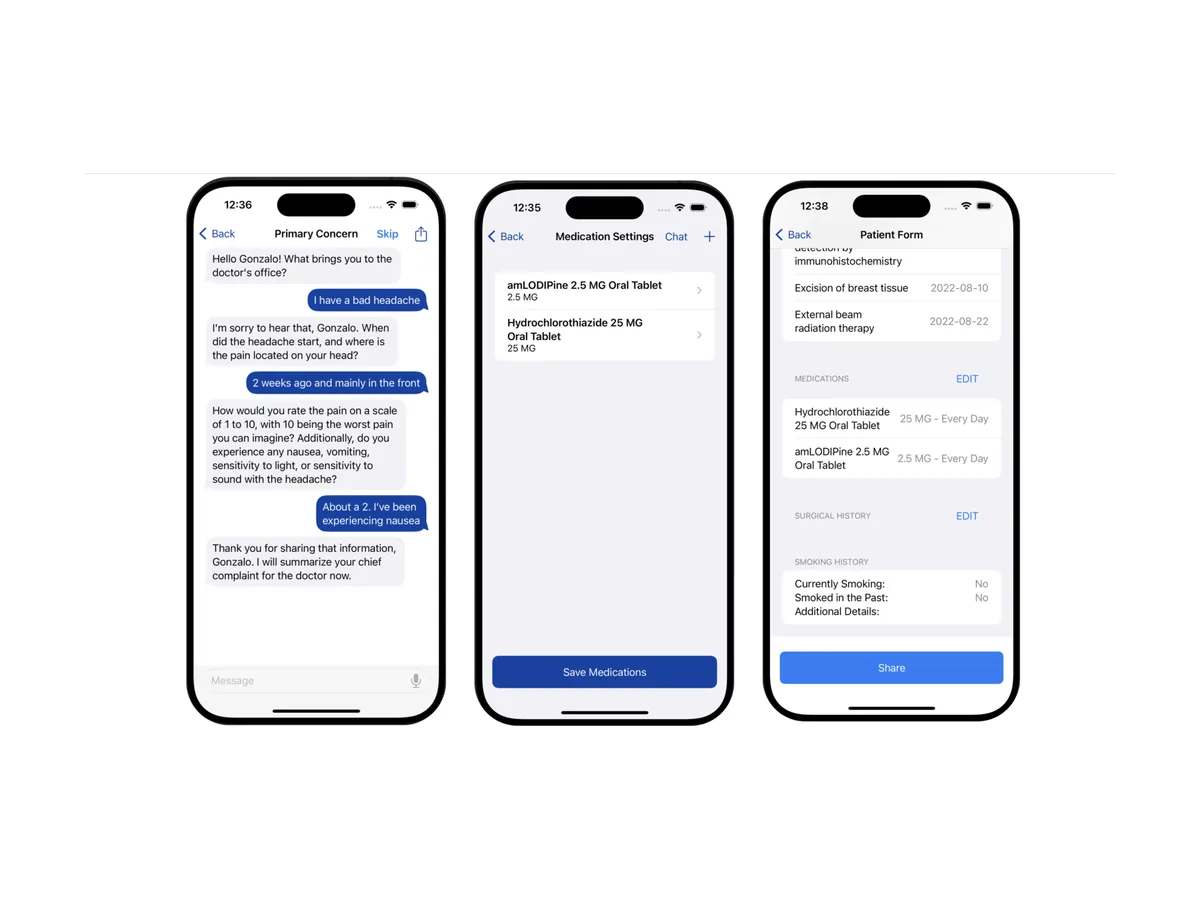
Intake
Stanford Biodesign Digital Health
- Streamlines preparation for a medical visit by collecting current concerns and relevant health history in one intake workflow.
- Uses a conversational interface and connected health records to organize information into an editable summary that can be exported as a PDF.
-
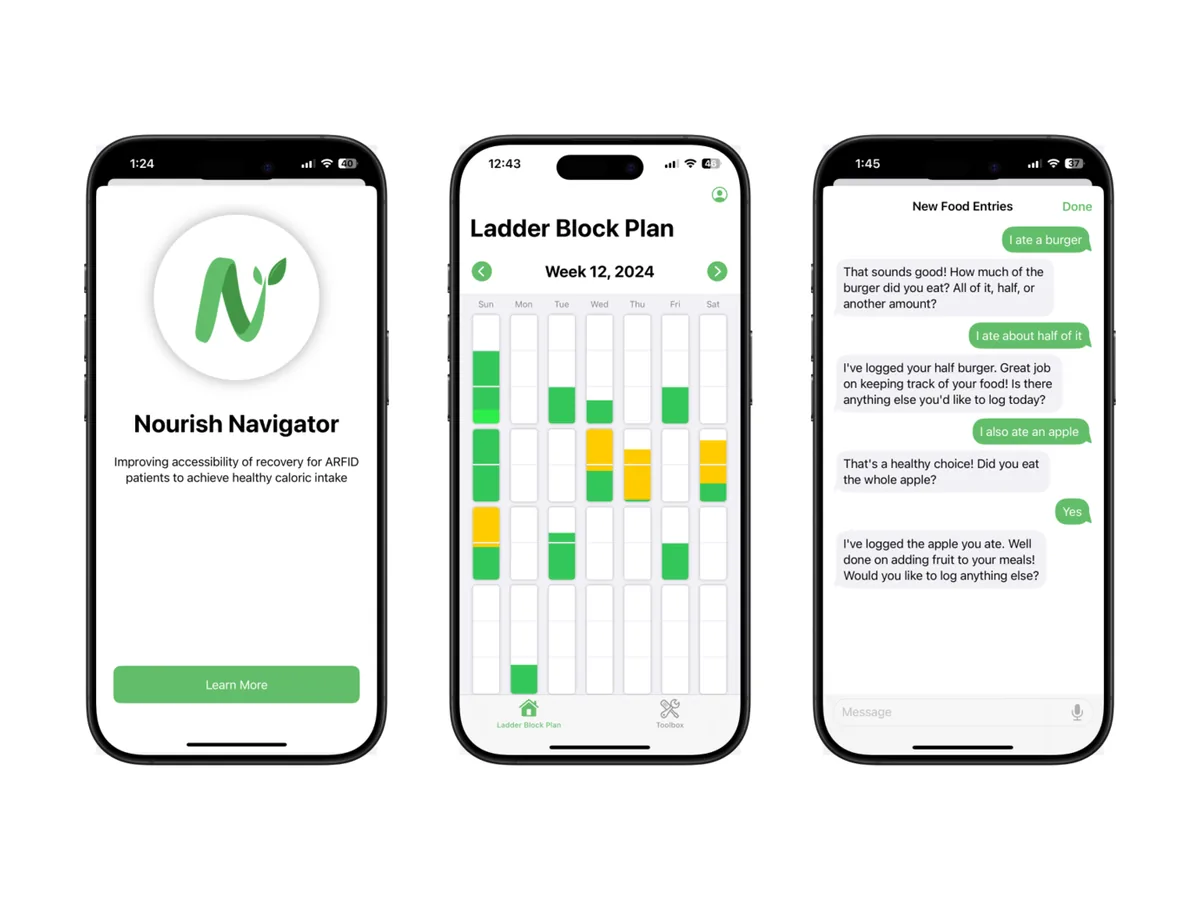
Nourish Navigator
- Supports people with avoidant/restrictive food intake disorder through a structured, personalized approach to nutrition.
- Provides nutrition-block plans, meal and progress logging, calendar views, and educational resources to help users follow their care plan.
-
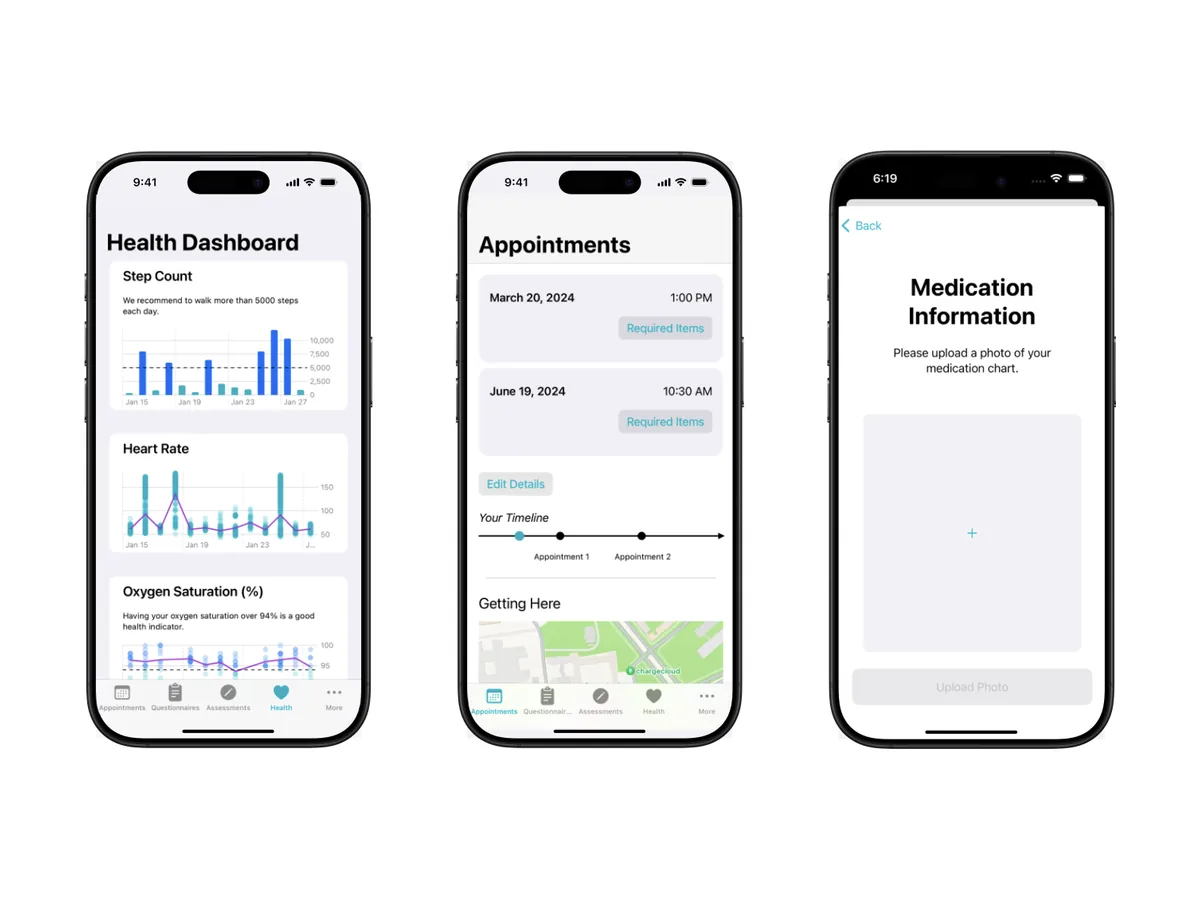
PICS
Charité – Universitätsmedizin Berlin
- Supports recovery after intensive care by bringing recovery information and patient-reported assessments into a mobile application.
- Combines connected health metrics, symptom and cognitive assessments, appointments, and medication information for ongoing follow-up.
-
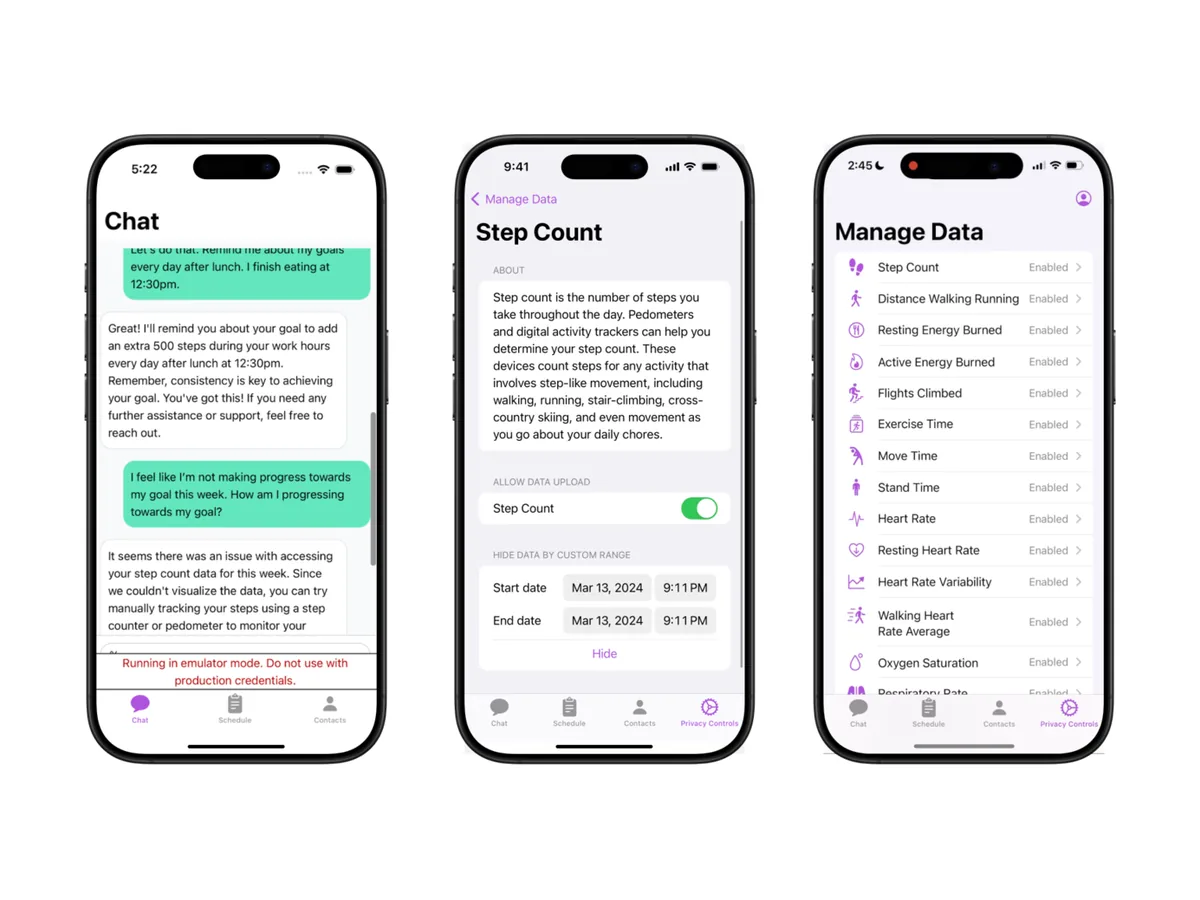
Prisma
- Explores personalized support for physical activity and behavior change through a conversational digital coach.
- Combines a language-model interface with goal setting, health-data visualizations, and daily surveys to tailor the experience.
-
Stronger
Stanford Program in Menopause and Healthy Aging
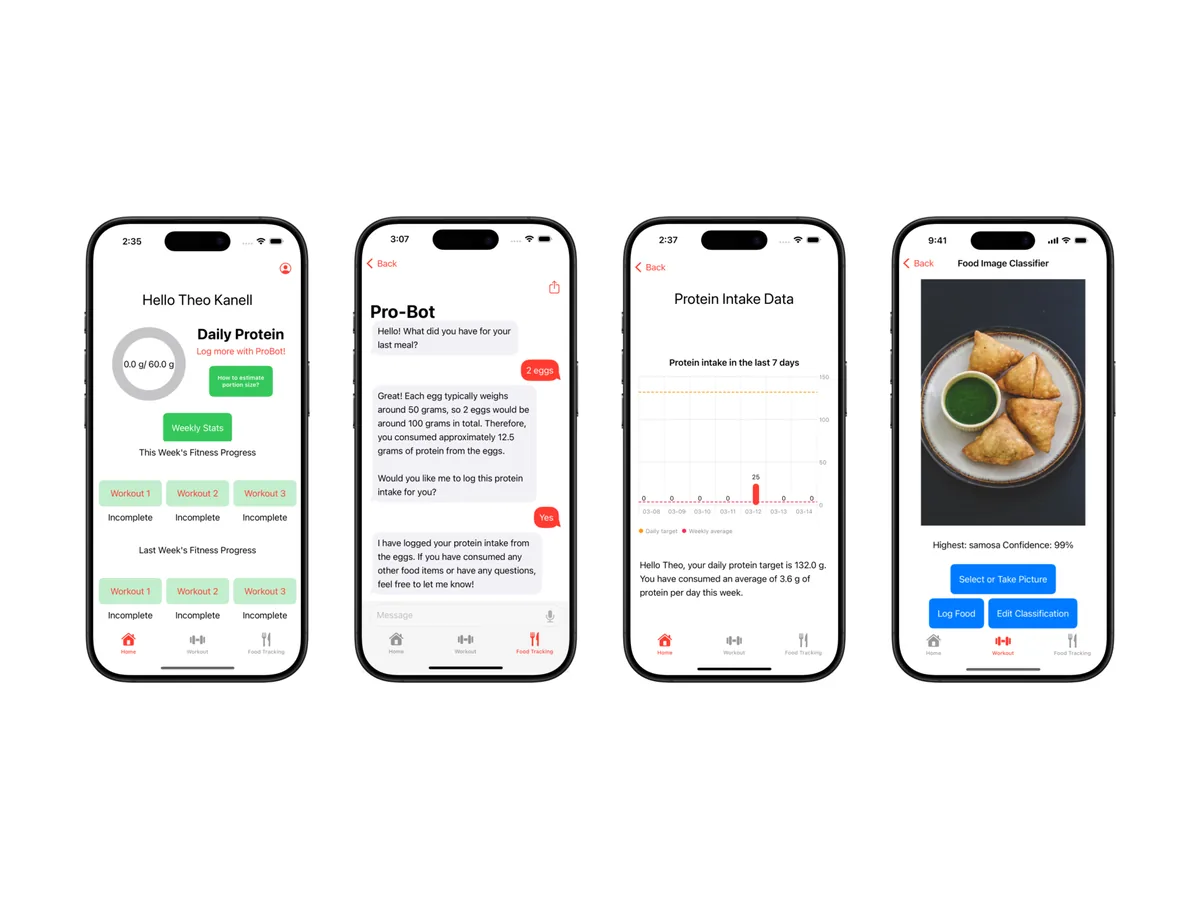
- Supports muscle health in postmenopausal women through protein tracking and resistance-training guidance.
- Combines food logging, exercise routines, progress information, and educational resources in a mobile experience.
-
TBI Sleep Monitor
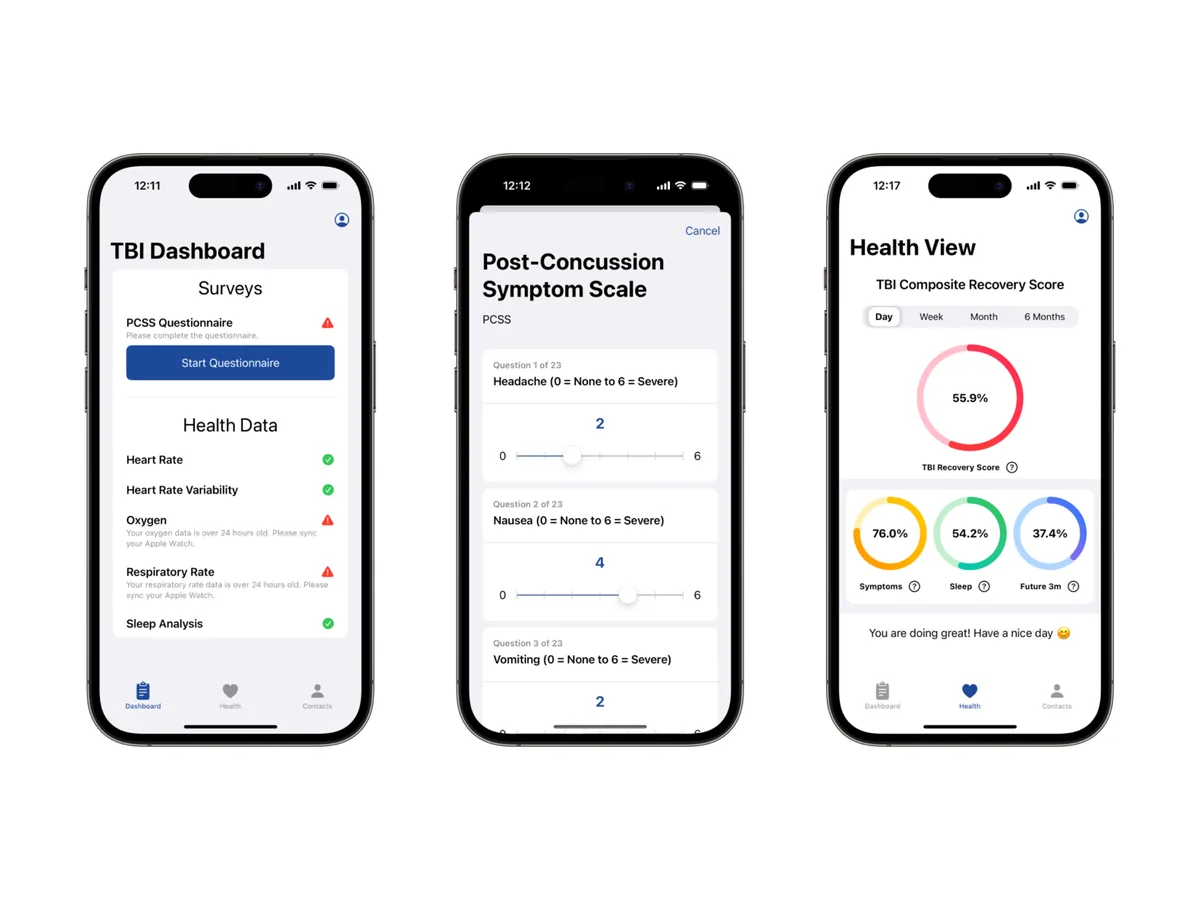
- Explores the relationship between sleep and recovery after traumatic brain injury using patient reports and wearable data.
- Combines symptom questionnaires, Apple Watch sleep and health metrics, and a recovery dashboard for longitudinal monitoring.
Winter 2023
-
U-STEP
University of Utah, Division of Vascular Surgery
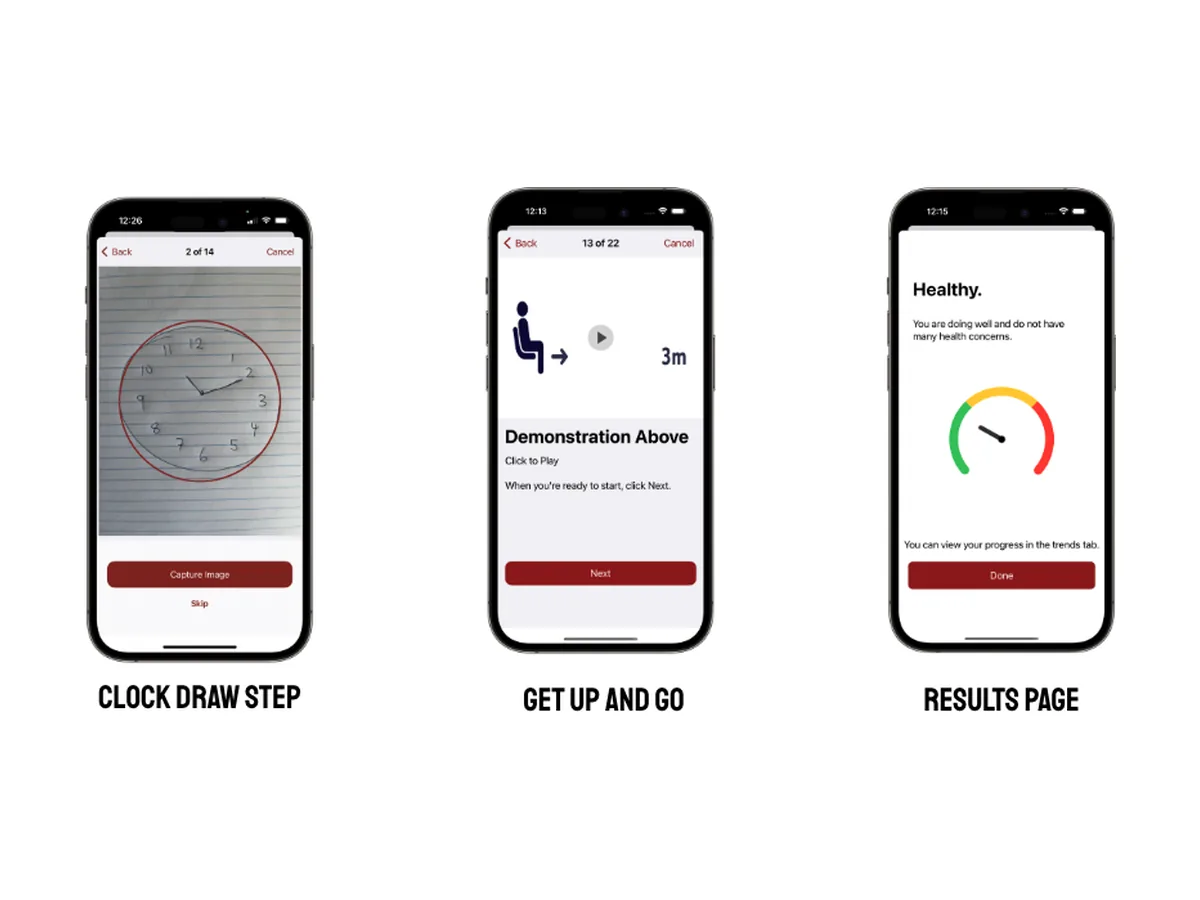
- Brings vascular-surgery patient-reported outcome collection to people who may live far from specialty care.
- Is designed to combine remote surveys, HealthKit activity measures, consent, and functional tasks such as a six-minute walk test.
-
PAWS — Pediatric Apple Watch Study
Stanford Pediatric Cardiology
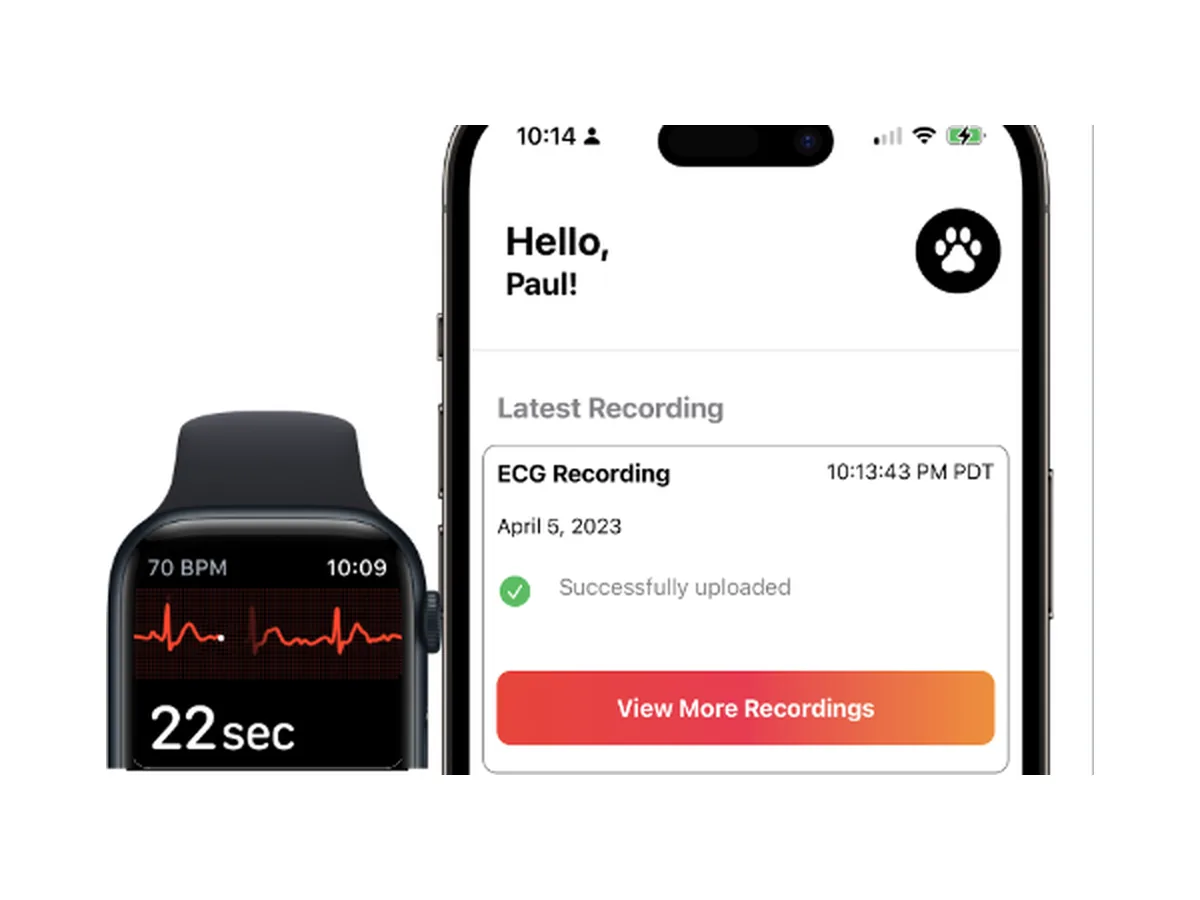
- Explores Apple Watch as a way to collect ECG recordings and symptoms from children being evaluated for intermittent arrhythmias.
- Provides a mobile research workflow for enrollment and ECG upload, with a dashboard to help the study team review recordings.
-
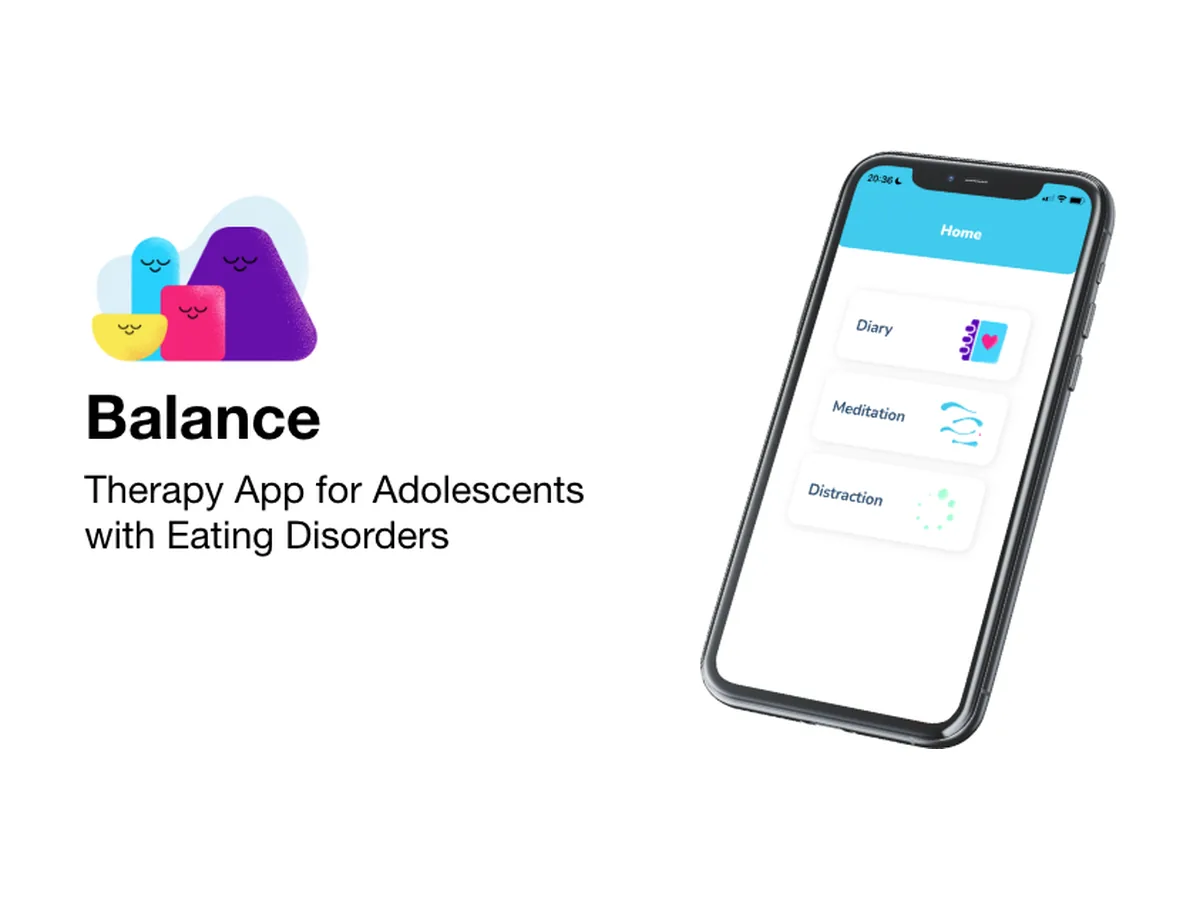
Balance
Stanford Psychiatry and Behavioral Sciences
- Supports adolescents with anorexia nervosa between family-based treatment sessions, with a focus on emotion regulation.
- Explores teen-friendly coping and distraction activities, personalization, and diary tools to help with distress around meals.
-
GetMoovin
HealthSpan Heroes (BIOE 273 team)
- Encourages older adults to stay physically active as strength, agility, and cardiovascular fitness change with age.
- The project design connects families and friends through activity photos and explores personalized plans to support a longer healthspan.
-
Remote Assessment of Contact Allergies
Stanford Dermatology
- Explores remote patch testing to broaden access for people with chronic eczema and suspected contact allergies.
- Uses a mobile workflow for guided, sequential photos of test sites, supporting remote review and research into image-assisted interpretation.
Winter 2022
-
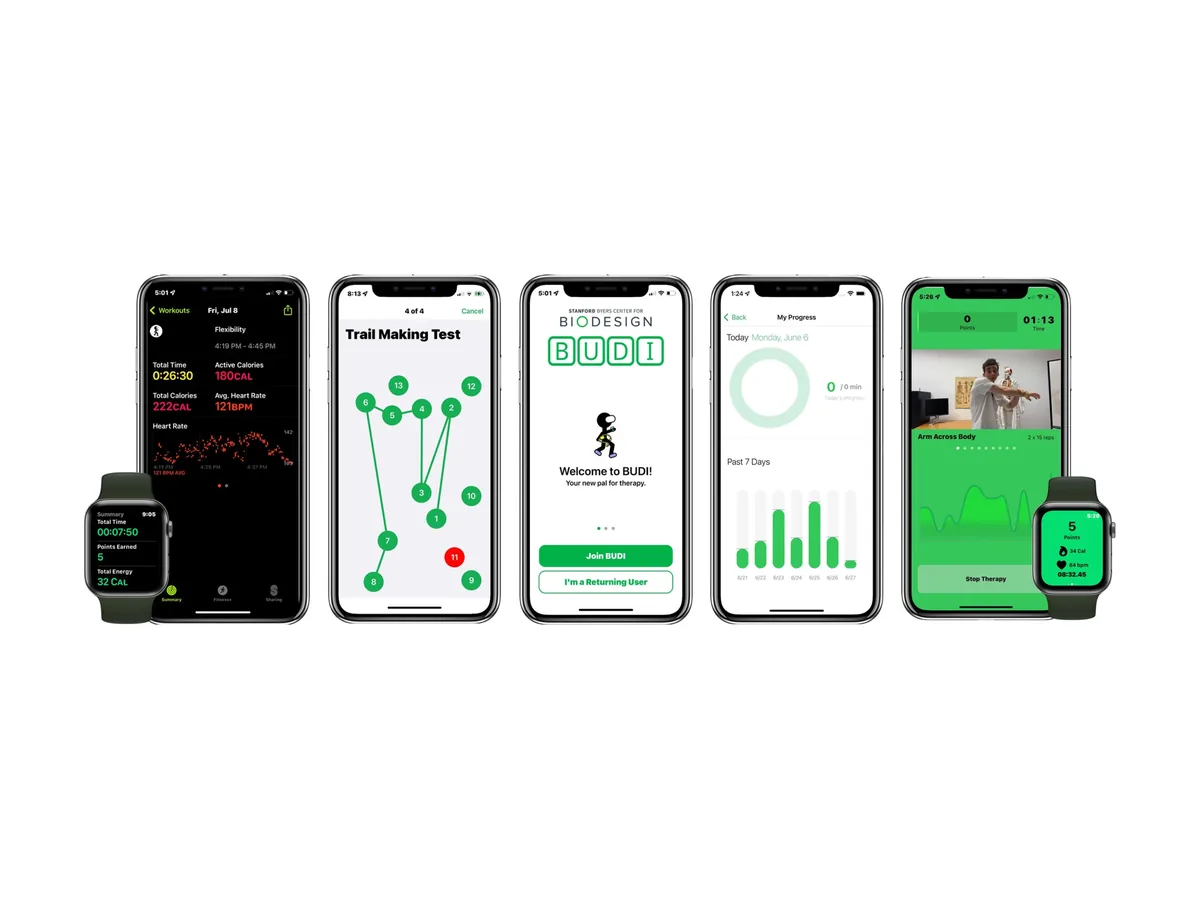
BUDI
- Uses Apple Watch to support upper-limb rehabilitation for children with cerebral palsy outside a clinician-led session.
- Pairs movement tracking and biofeedback with therapy-session history and progress views for children and their support teams.
-
Activate
Stanford Psychiatry and Behavioral Sciences
- Supports positive lifestyle changes for outpatients with schizophrenia spectrum disorders.
- Lets users set personalized well-being goals, schedule activities, record daily progress, complete surveys, and view progress charts.
-
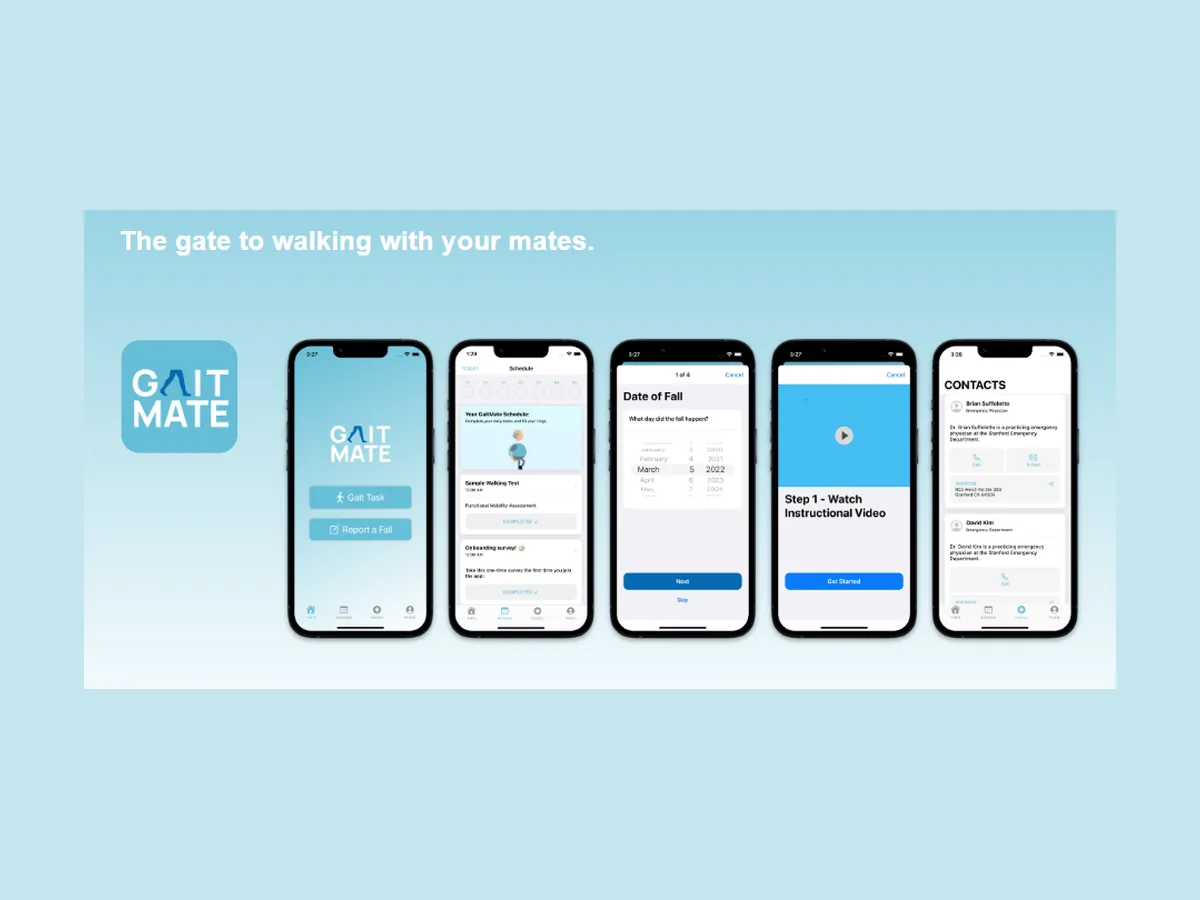
GaitMate
Stanford Emergency Medicine
- Explores at-home functional mobility assessment to help identify fall risk in older adults.
- Combines guided walking and gait tasks, fall reporting, questionnaires, and sensor measurements for remote research.
-
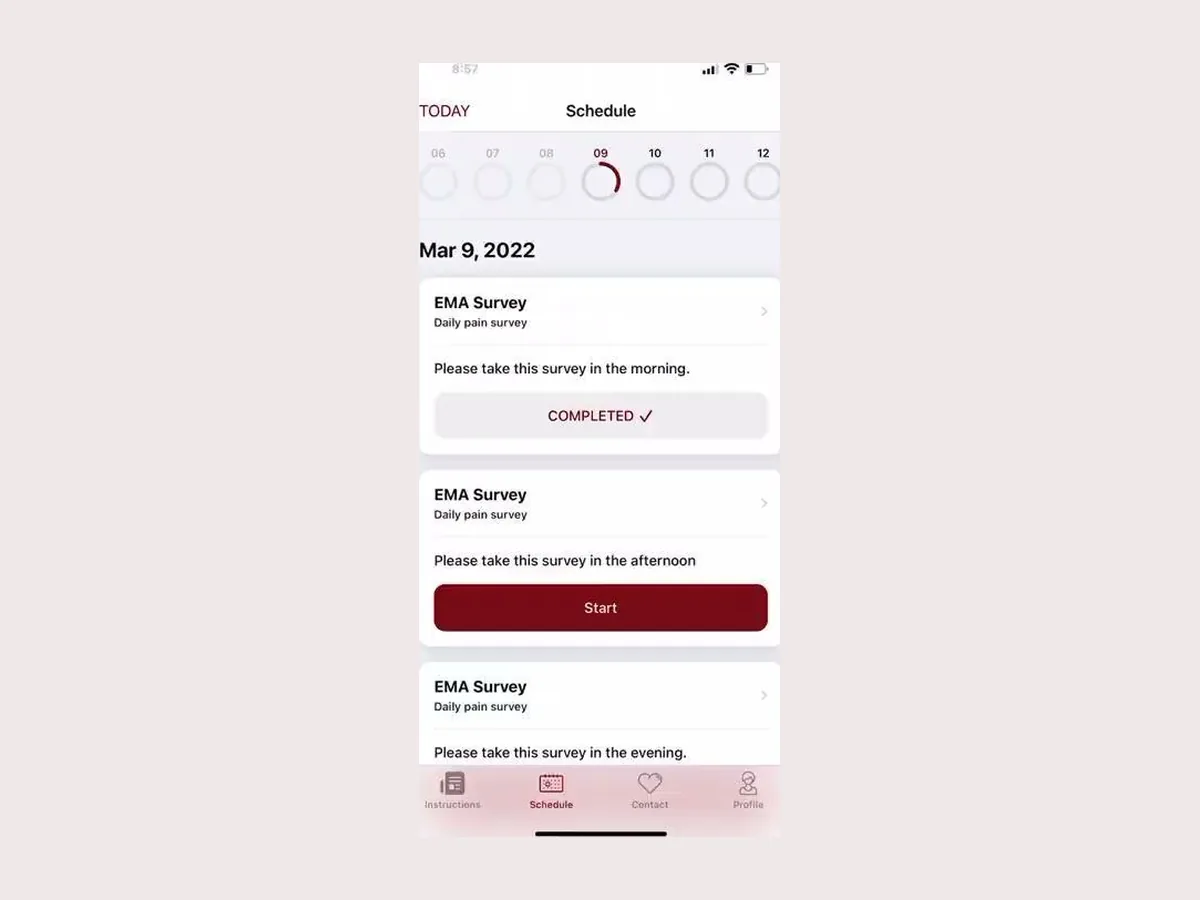
mCHOIR
Stanford Pain Medicine, Department of Anesthesiology
- Extends the CHOIR chronic-pain research platform with mobile assessments and wearable sensor information.
- Combines scheduled surveys, reminders, and longitudinal measurements to study relationships between daily pain experiences and physiology.
-
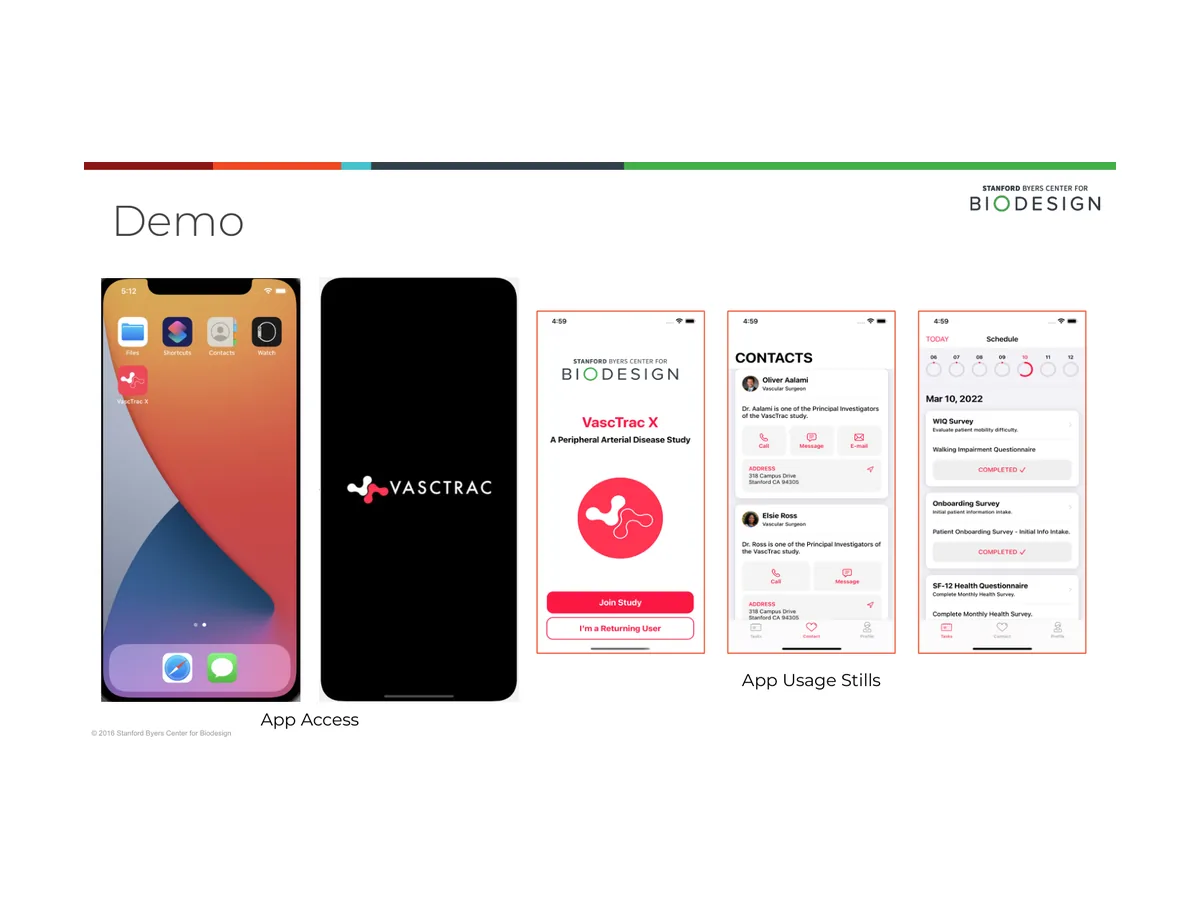
VascTracX
Stanford Vascular Surgery
- Explores passive physical-activity monitoring around surgery, including work focused on peripheral artery disease.
- Collects activity information and patient reports before and after procedures to investigate their relationship with surgical outcomes.
Winter 2021
-
Kidney Care
Stanford Department of Surgery
- Supports the complex outpatient-care routine in the first month after kidney transplantation.
- The project design combines patient education, adjustable medication tracking, and postoperative information for follow-up reports.
-
BeatHeartDisease
Stanford Cardiovascular Medicine
- Explores a mobile platform for cardiovascular disease prevention and management.
- Connects patient-facing tracking with a provider view and Bluetooth-enabled measurements from devices such as blood-pressure cuffs and scales.
-

Hybrid Physical-Digital Spaces
Student-led, with the Stanford HCI Lab
- Studies how characteristics of buildings and indoor spaces relate to occupant well-being and environmental sustainability.
- Combines Apple Watch physiological and activity measurements with Bluetooth-beacon location information to connect experience with place.
-
Women’s Derm Health (DermTeam)
Student-led team
- Explores how hormonal changes, medication, diet, stress, and other factors relate to dermatologic flare-ups.
- Pairs longitudinal skin photographs with potential-trigger tracking to support research into relationships between inputs and skin changes.
Fall 2019
-
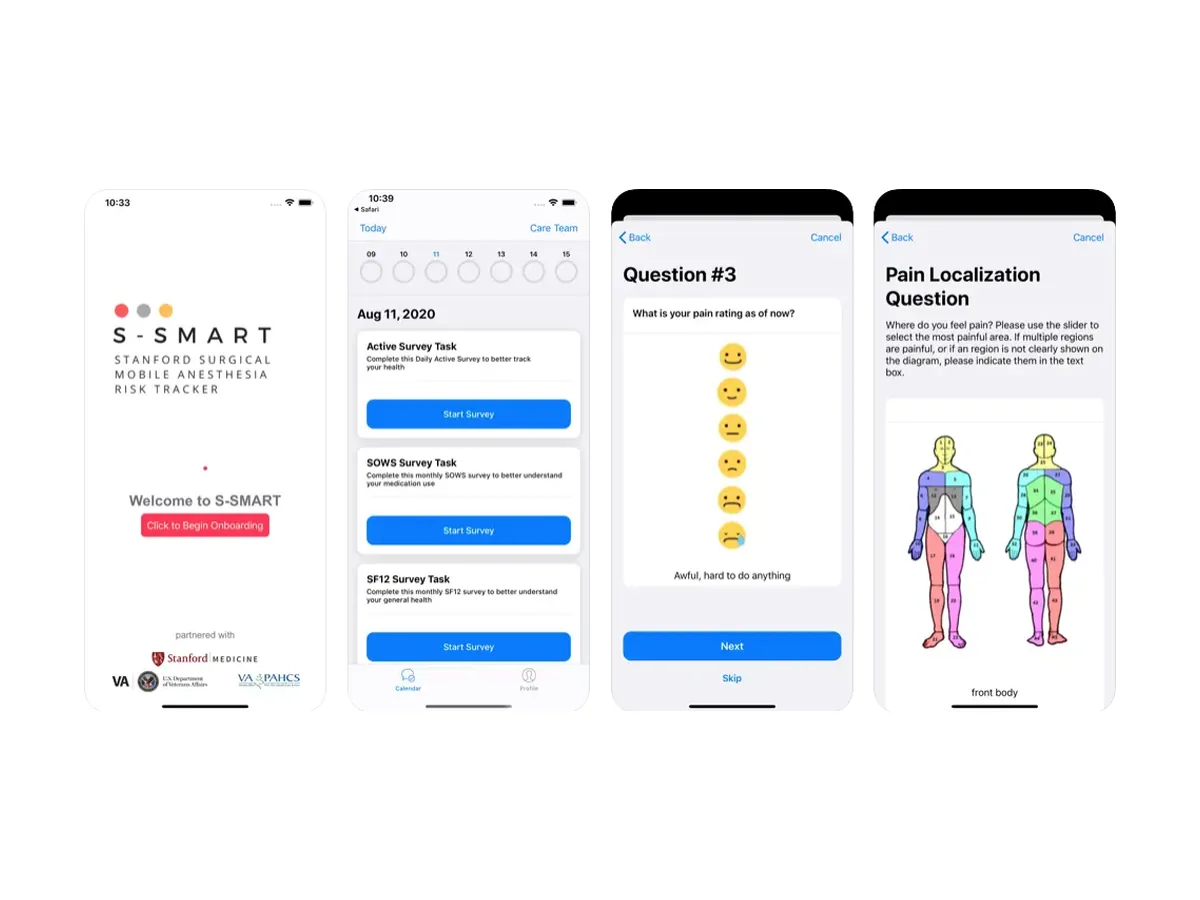
S-SMART
VA Palo Alto Health Care System
- Focuses on postoperative follow-up through a mobile tool for recording opioid use and daily functioning.
- Pairs medication-use and recovery information to support research into earlier recognition of patients who may need additional follow-up.
-
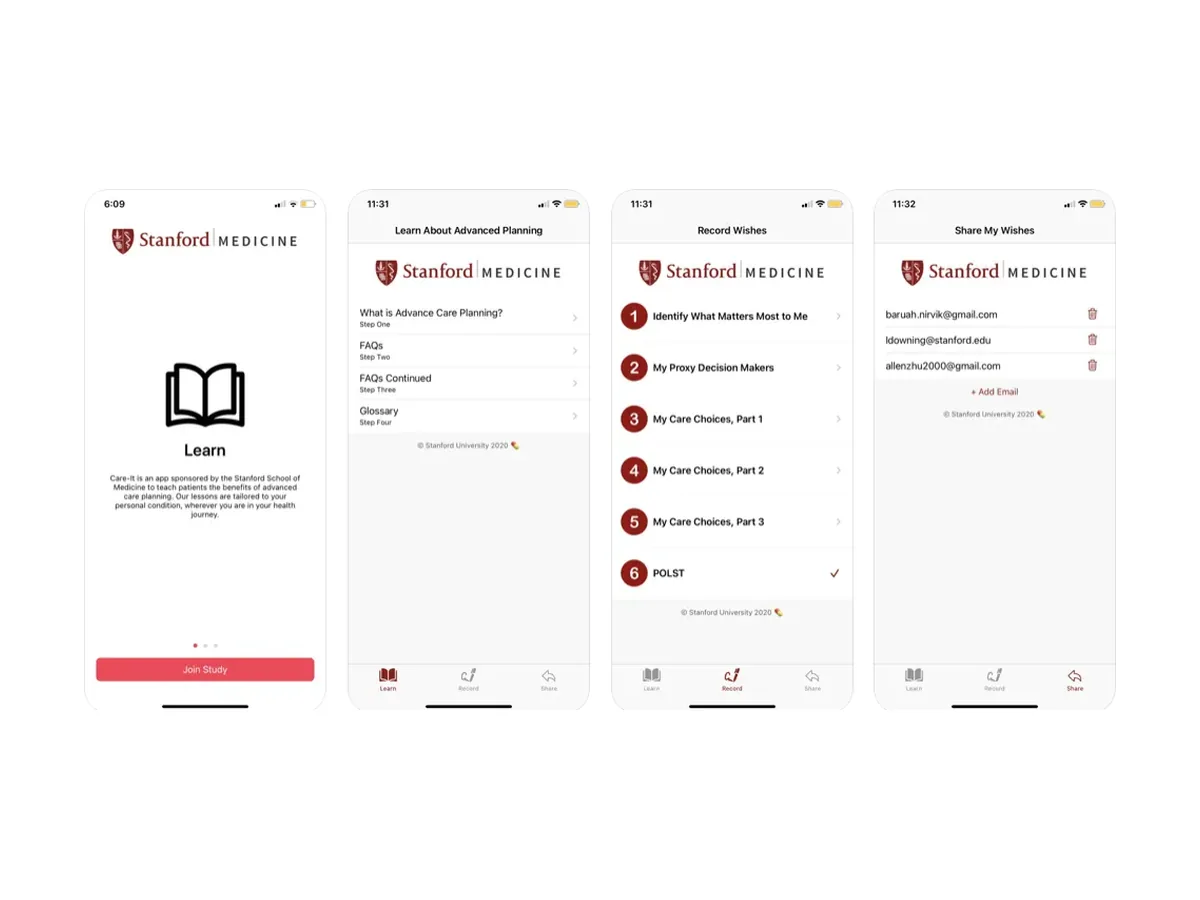
CARE-IT
Stanford Health Care
- Focuses on empowering patients and families to take part in advance care planning.
- Brings advance care planning into a mobile-health course project centered on patients’ preferences for future care.